Money management can be a difficult task. The need to save for future prospects while still taking pleasure in the present is something I’ve encountered. From my experience, I discovered that striking a harmony between savings and expenditure is vital for financial stability.
This blog will serve as a guide, providing insights on budget creation, financial goal setting, and finding an equilibrium between saving for the future and indulging in today’s pleasures.
Begin by gaining a comprehensive understanding of your income statement and monthly cash flow. Be fully aware of the monthly inflow and outflow of your funds. Following that, distinctly define your financial objectives; they could be funds for retirement, emergency financial backup, or purchasing a house.
Subsequently, establish a budget that incorporates saving for long-term objectives like retirement or emergency funds. This should also allow room for your regular expenses, such as housing costs, health insurance premiums, or car insurance, and some money for recreational pursuits.
Incorporating a strategy of paying off high-interest debts into your plan is also recommended, as this can result in long-term savings.
The use of tax-beneficial accounts such as a Health Savings Account (HSA) or Individual Retirement Accounts (IRAs), could significantly enhance your savings effort.
Finally, regularly scrutinizing your spending is crucial in maintaining alignment with your financial targets. Small present adjustments can greatly improve your overall financial health with time.
Key Takeaways
- Make a budget for needs, savings, and fun activities to keep a balance.
- Save money for the future like retirement but also plan for enjoyable activities now.
- Pay off debts smartly and use cash-back accounts to save while you spend.
- Check your spending regularly to stay on track with financial goals.
- Invest in HSAs or IRAs to grow your savings faster.
Understanding the Difference Between Saving and Spending


I save part of my paycheck for future needs, like buying a home or covering unexpected costs. This is saving money. When I spend on things now, from groceries to treats online, that’s spending money.
Both are important for good finance management.
Finding the right balance between saving and spending helps me enjoy today and prepare for tomorrow. I put money into an emergency fund and retirement savings to secure my future. But I also enjoy dining out and making special purchases to make the present enjoyable.
This balance is key to making smart financial decisions.
Tips for Striking the Right Balance


To strike the right balance between saving and spending, first set a budget. This means dividing your money for must-haves, savings, and fun stuff. Then, think about what you want soon and in the future.
Make plans to reach those goals.
Setting a Budget for Essentials, Savings, and Leisure
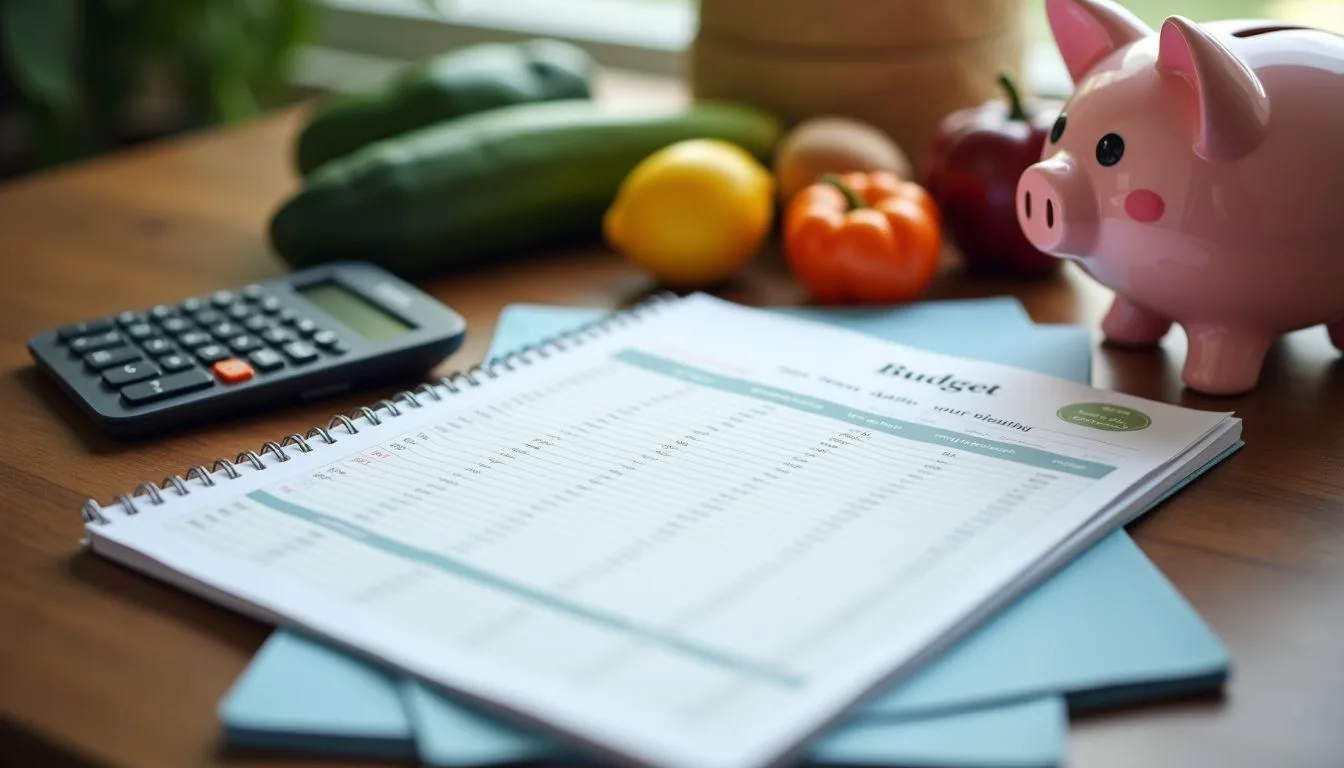
I plan my budget carefully, starting with monthly costs for essentials like rent and groceries. This ensures I cover housing expenses, health care costs, and food. After that, I decide how much to save for future needs such as retirement savings or an emergency fund.
It’s important to have some cash easily available.
Then, I allocate money for leisure activities like dining out with friends or online shopping. To avoid overspending, I use accounts that offer cash back on purchases. This helps me save while enjoying life.
Managing spending on necessities, saving for the future, and enjoying leisure activities keeps my finances stable. Evaluating long-term versus short-term financial goals is a critical step in this process.
Evaluating Long-Term and Short-Term Financial Goals
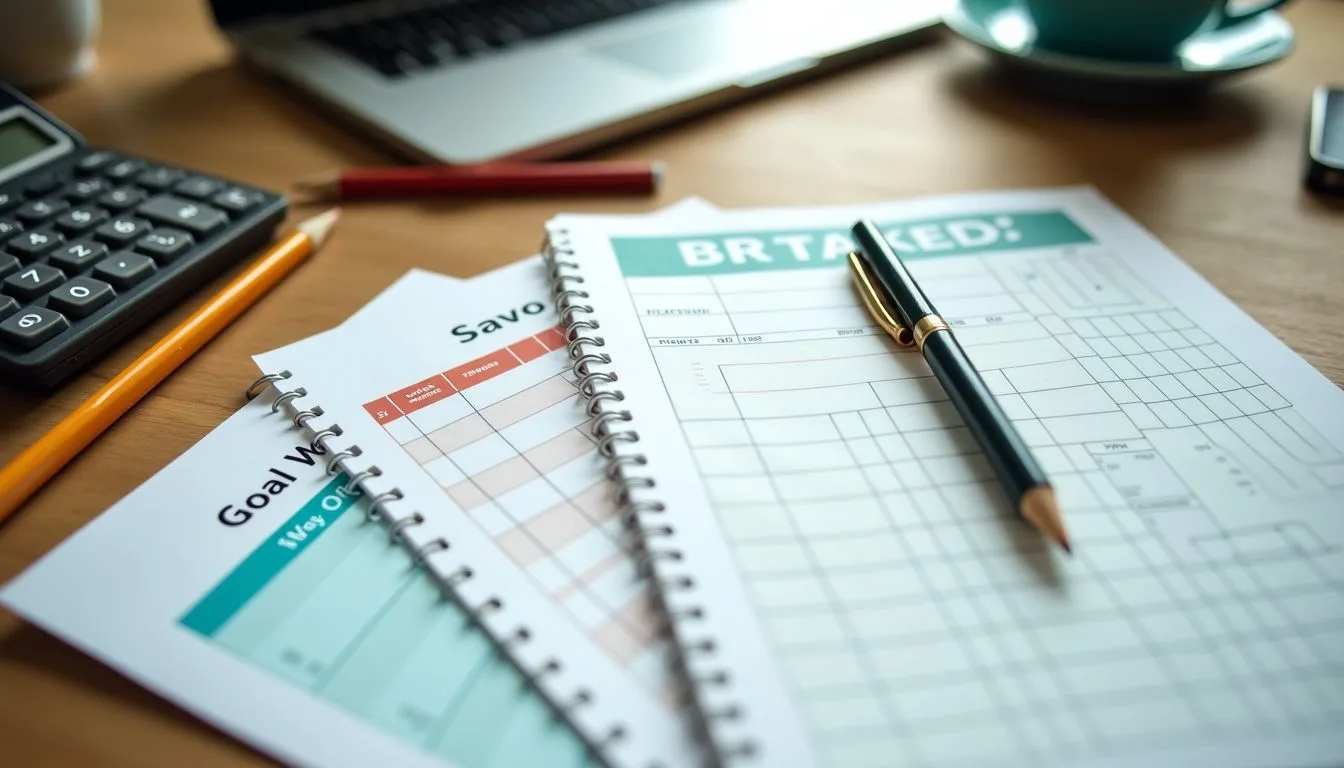
I set a budget and then work on goals. For big dreams like buying a house or getting ready for retirement, I save money over time. These are key to my financial health.
For goals that are closer, like paying off credit card debt, saving for a trip, or building an emergency fund, I adjust my daily spending. Balancing short and long-term goals keeps me focused on immediate needs and future plans.
The Benefits of a Balanced Approach to Money


Managing my finances well is key. It ensures I have enough for the present and future. By wisely overseeing my cash flow, I can easily pay for housing expenses. Saving money on a regular basis means I don’t stress about retirement or sudden costs like car repairs.
I use a budget to control spending and avoid accumulating high-interest debt from credit cards. An emergency fund is also crucial for unexpected bills, offering peace of mind. These financial practices lead to better habits, helping me achieve goals such as owning a home or paying for education.
This approach guides my daily money management activities.
Conclusion

Determining the perfect equilibrium between expenditure and savings is crucial. I’ve discovered that devising a budget aids in comprehending where my funds are spent. This method allows me to enjoy the present moment, all the while preparing for what lies ahead.
The establishment of objectives is pivotal. This appears to be straightforward, but it significantly influences the satisfaction derived from saving. Whether it’s for unforeseen circumstances or entertaining activities, the knowledge of having allocated funds brings about tranquility.
Receiving guidance from masters in financial education assists in making intelligent decisions.
Every stride in better money management simplifies life and augments its pleasures. Daily application of these pointers could lead to a substantial difference.
Intelligent money management diminishes tension and augments the freedom to do what one is most passionate about. Further exploration into financial education can present new prospects.
I enhanced my financial position by adhering to a plan suited to my preferences, centering on savings, constructing an emergency fund, and smart expenditure on items such as housing costs and high-interest liabilities.
Assume command over your finances; you possess the capability to initiate a positive shift!