Saving money is hard. Everywhere I look, there’s a temptation to spend – online shopping, daily coffee runs. These small expenses add up fast.
Getting better at saving takes time and effort. I researched effective ways to save more without missing out on fun. This guide shows how to start with a strong financial foundation and learn savings tricks.
First, watching monthly spending helps a lot. Also, setting up automatic transfers to savings accounts makes saving easier. Cutting back on unnecessary expenses can also save money.
This approach offers simple strategies for better handling personal finance and making meaningful changes in spending habits.
Key Takeaways
- Use budgeting apps to manage your money and save.
- Save more by setting automatic transfers to your savings account and spending less on non-essential items.
- Start an emergency fund for unexpected costs, saving bit by bit to build a safety net.
- Review monthly expenses to identify where you can cut back, like opting for cheaper phone plans or generic brands.
- Keep saving on track by setting realistic goals and monitoring your progress.
Build a Strong Financial Foundation


I make a financial plan and track my monthly expenses to improve at saving money.
Create a budget and track spending

Managing money is easier with a budget and tracking expenses. Here’s my method:
- I start by calculating my income from all sources, including paychecks and extra earnings.
- Then, I list out all monthly expenses like rent, utilities, and groceries.
- Budgeting apps help me monitor spending efficiently.
- Setting aside money for savings each month is crucial; even small amounts accumulate over time.
- By cooking at home instead of dining out, I save more money.
- Tackling high-interest debt first avoids unnecessary interest payments.
- Automation transfers a portion of my income directly into my savings account effortlessly.
- Monitoring spending habits identifies areas to cut costs.
- Consistently reviewing my budget ensures adherence to financial goals.
Following these steps has sharpened my focus on financial objectives, making saving both feasible and effective.
Set realistic savings goals

Taking into account my unique financial circumstances, I form detailed savings objectives and divide them into tiny, feasible pieces. I ensure that each segment aligns with my current monetary standing.
I reevaluate and modify these objectives as my life circumstances change to maintain alignment with my principal concerns.
Staying motivated is essential for me, hence I frequently monitor my progress in achieving these set goals. Every few months, I review all my savings, including those set aside for unforeseen emergencies and retirement, guaranteeing they align with my current priorities.
Smart Strategies to Save Money


I set up automatic transfers to my savings account for easy saving. I also cut back on unnecessary expenses to save more money over time.
Automate your savings

Directing my income into savings accounts automatically makes saving simpler. Budgeting apps track this process for me, and I regularly review these setups for effectiveness.
Reducing unnecessary spending also boosts my savings.
Reduce unnecessary expenses
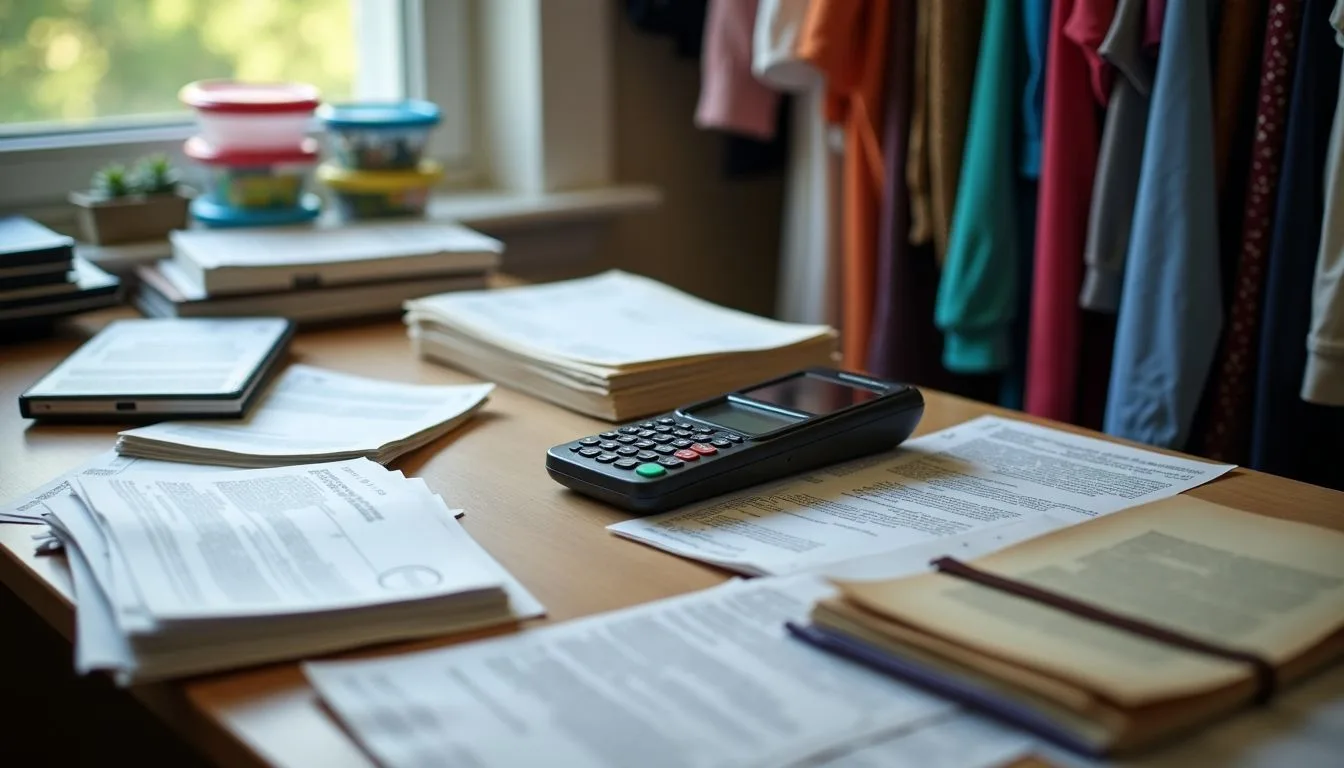
I set up automatic savings and then targeted spending habits to save more money. I reduced eating out and stopped buying the latest gadgets. By reviewing monthly bills, I found a cheaper phone plan.
Cash-back apps on groceries helped too.
Meal planning cut down costs compared to takeout. For clothes, consignment stores offered great deals without the mall prices. This approach doesn’t just save money short-term; it also improves my credit score by reducing unnecessary credit card debt over time.
Overcoming Common Saving Challenges


Saving money can be tough with unexpected expenses like a broken water heater or sudden car repairs. Making saving a habit helped me deal with these challenges. I started by creating an emergency fund, which serves as a safety net for surprise bills.
To cut down on monthly expenses, I closely examined my spending habits. Reducing dining out and opting for meal planning, along with choosing generic over-the-counter medications, saved more money than anticipated.
Also, paying attention to interest rates and considering mortgage refinancing or enrolling in income-driven repayment plans for student loans helped decrease my payments significantly.
This allowed me to save more cash.
Conclusion


I made a budget, tracked my spending, and set saving goals. Budgeting apps help with this. I also cut unnecessary costs and found easy ways to save money. Sometimes it’s hard to save, but overcoming these challenges is key.
Taking these steps can improve our finances over time. By starting small, it’s possible to save more for things like an emergency fund or retirement savings.
There are many resources available for growing savings – books, websites, and financial advisors offer great advice.
I struggled with saving at first but learned that small contributions add up. This experience taught me the importance of managing personal finance effectively.