Saving money is hard for many of us. We often find ourselves wondering where our money went by the end of the month. Learning to manage cash flow is crucial, both for businesses and individuals.
I’ve faced this challenge too, struggling to keep my savings account afloat each month. Since 60% of businesses fail due to poor cash flow management, it’s clear that understanding how to manage finances is vital.
I decided to learn better ways to track my finances. Managing cash flow isn’t just about comparing income and expenses; it involves planning for financial security and avoiding unexpected shortfalls.
I’m here to show you that by predicting your income and spending, you can save more through careful budgeting and cutting unnecessary costs. Fortunately, technology makes monitoring our finances easier with various tools available.
Predicting future spending and earnings can strengthen your savings through effective budgeting strategies while reducing needless spending—thanks in part to technology offering handy tools for financial management right at our fingertips.
Key Takeaways
- Track your money with budget templates and apps to save more.
- Plan your finances by predicting income and expenses, then follow a budget strictly.
- Use automatic bill pay to avoid late fees. Save by spending less on dining out.
- Tech tools help manage finances by tracking income, expenses, and ensuring bills are paid on time.
- Boost savings by making small adjustments now. Set clear saving goals for motivation.
Understanding Cash Flow Management


I manage cash flow by tracking income and expenses. This helps me increase savings.
Importance of tracking inflows and outflows
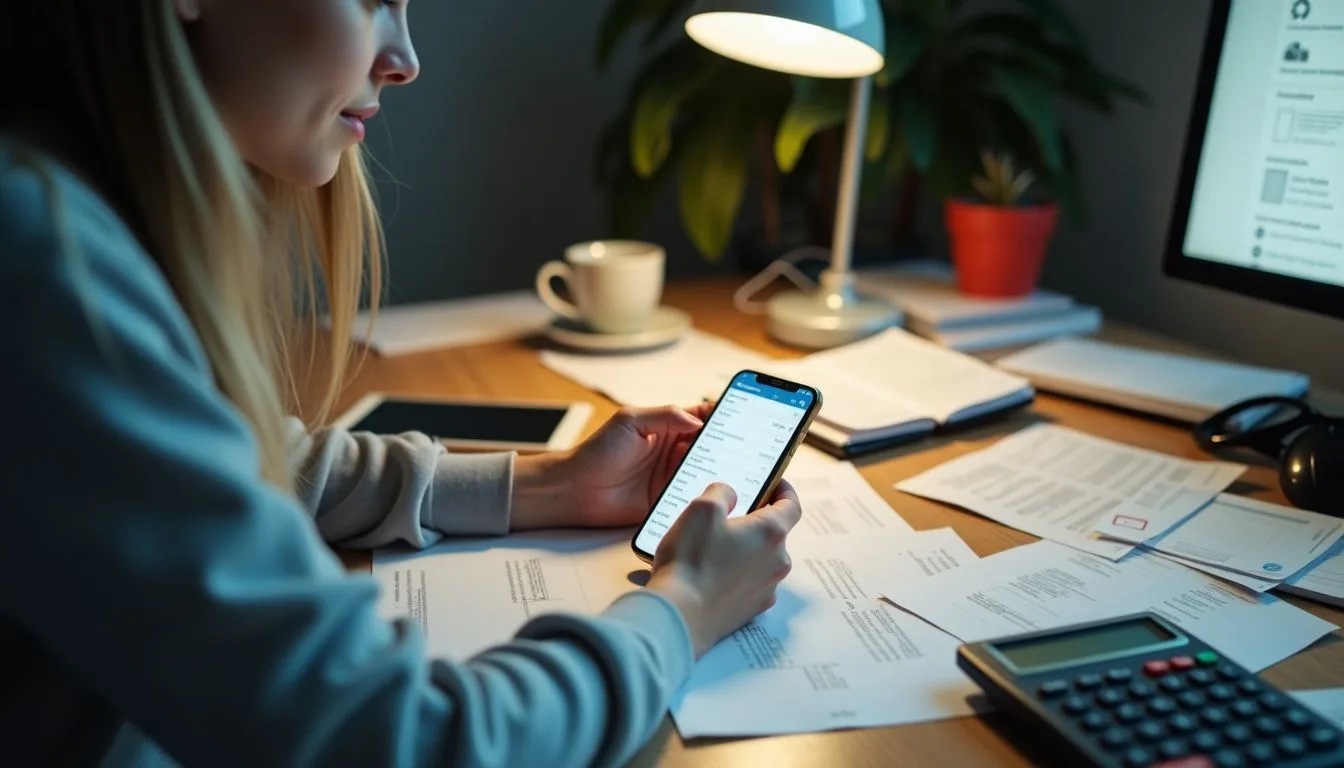
Monitoring cash flow is essential. I track income from jobs and bank interests to see where money comes from. Also, I watch expenses to identify spending habits. This approach is crucial for financial stability and helps in saving more.
I use budget templates and apps to manage cash flow better. These tools help me monitor both incoming and outgoing cash, showing where I can reduce expenses or boost savings. Forecasting and budgeting with these tools enhance my ability to save efficiently.
Strategies to Improve Savings Through Cash Flow Management


To improve my financial stability and increase savings, I adopt a practical approach. Using budget trackers and setting up automatic bill payments are effective strategies.
– Budget trackers help me oversee expenses.
– Automatic bill payments ensure timely financial obligations, preventing late fees.
Forecasting and budgeting effectively

Planning money flow involves figuring out incoming and outgoing cash. I create cash flow forecasts to predict future expenses and income, preparing for upcoming needs. Budgeting allows me to manage spending or saving in line with these predictions.
A reliable forecast minimizes surprises.
I use tools that automate billing and track expenses to simplify managing bills, salaries, and bank transactions. These tools make following financial plans clearer by keeping all details accessible.
Reducing unnecessary expenses

I track my monthly spending to identify unnecessary expenses. Cutting down on dining out and canceling unused subscriptions saves money. I set a budget to control my spending, acting as a guide for financial decisions.
Using cash flow management tools has significantly helped me. These apps monitor expenses and highlight possible savings, improving my financial health quickly. By making conscious choices daily, I enhance my savings and maintain better control over finances.
The Role of Technology in Cash Flow Optimization

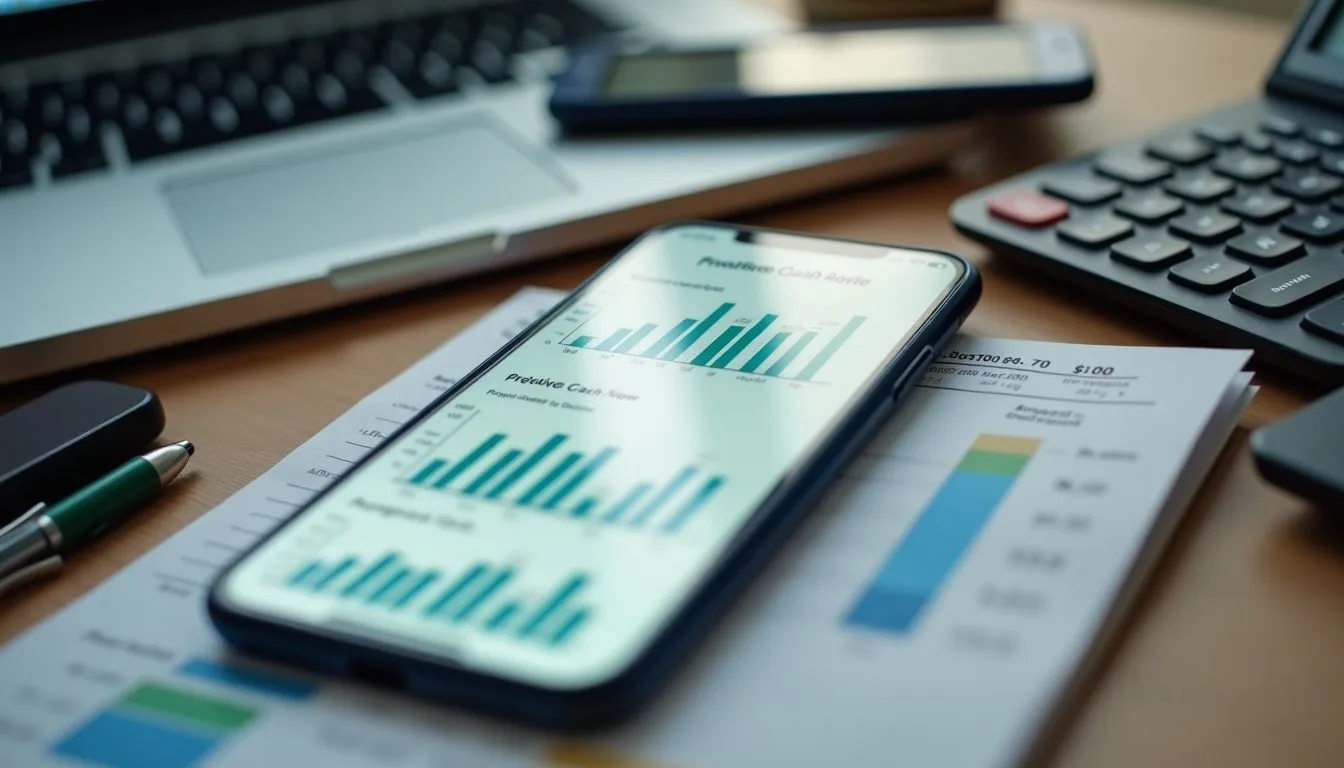
Technology helps manage cash flow by automating tasks like invoice processing and payment tracking. This automation ensures timely payments, avoids late fees, and speeds up customer payments, improving financial health. Tools also offer cash flow forecasts to aid in financial planning, making cash management more efficient.
Tools for monitoring and automation
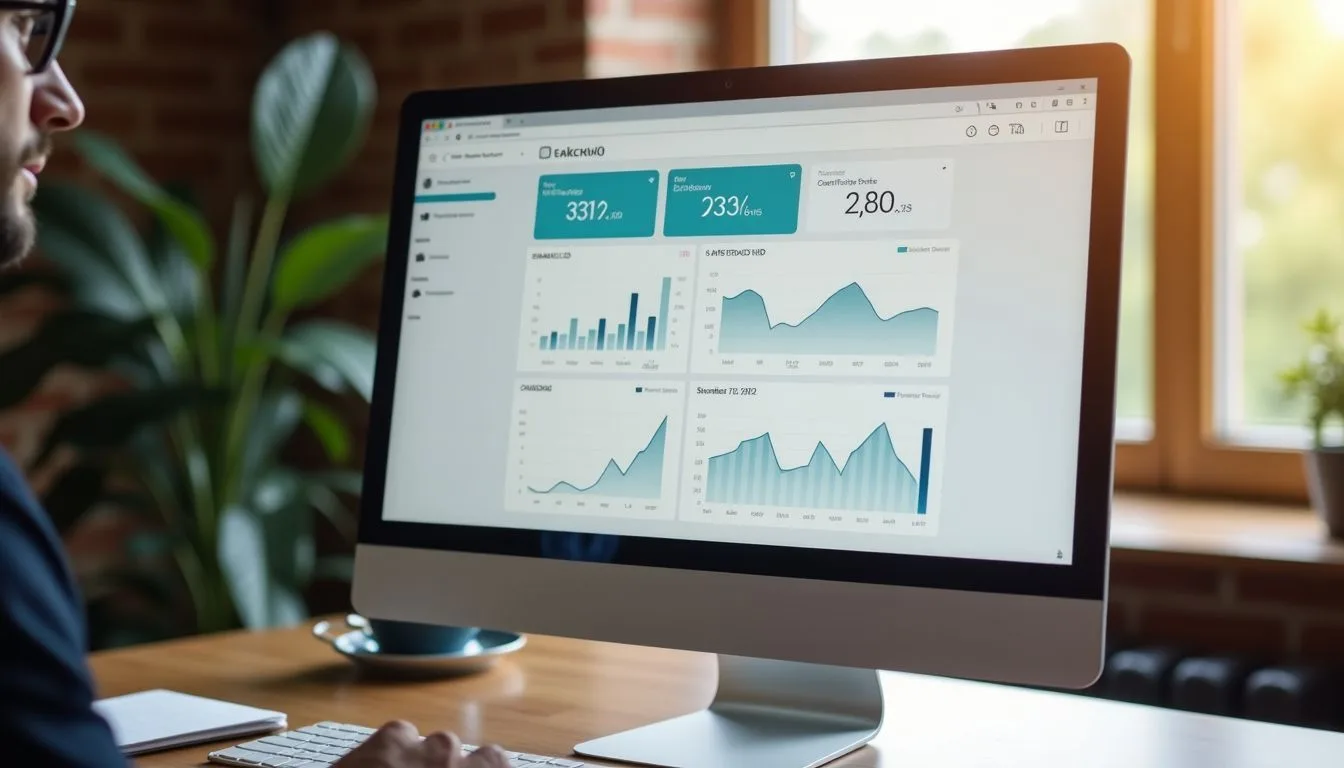
Managing money well means tracking income and expenses. Effective tools simplify this process. Here’s a breakdown of useful technology for better financial decisions:
- Budgeting apps help monitor income and expenses, aiding in sticking to financial plans.
- Invoice software accelerates customer payments by quickly sending bills and monitoring paid invoices.
- Payment automation tools ensure timely bill payments, avoiding late fees.
- Cash flow analysis programs identify spending and earning patterns for future planning.
- Accounts payable software tracks owed amounts, helping manage debts efficiently.
- Financial dashboards offer an overview of finances at a glance, keeping me informed.
- Forecasting tools predict future cash levels, guiding smart immediate choices to maintain liquidity.
Cutting costs is essential for saving more money.
Conclusion


Managing money is about tracking income and expenses. Budget apps help with this, showing areas to cut costs and save more. I asked myself if I could spend less on eating out. Setting savings goals kept me motivated.
Starting now is key for a secure future. Making small changes has helped me save a lot over time.