Ever find yourself gazing at your utility bill, questioning if there’s a more affordable choice available? Trust me, you’re not the only one. With the assorted electric rates everywhere, doubting if we’re spending too much isn’t a rare thought.
Luckily, I chanced upon something helpful: Utility Bill Comparison Tools.
These digital instruments are real lifesavers. They allow us to check the prices other providers in our area are asking for electricity. Simply by keying in our zip code, we’re presented with a list of prices from different companies.
The moment I discovered this, it dawned on me that keeping some money was an attainable goal.
Therefore, let’s explore how these comparison tools can support us in reducing those bills and retaining more cash. Ready to initiate saving? Let’s get started!
Why Comparing Utility Bills Matters


Checking utility bills against each other is key. It helps find ways to spend less and cut out what we don’t need.
Identifying cost-saving opportunities
Looking at utility bills side by side shows where we can cut costs. Sometimes, one electricity provider might charge more than another for the same amount of power used. By comparing these rates in my zip code using a comparison tool, I spot the best deals quickly.
Differences in natural gas rates also pop up during these checks. It’s all about finding those discrepancies that could lead to paying less every month.
I also look for patterns in how much energy I use and when I use it most. This helps me see if something like time of use pricing would work better for me. Water heating and cooling systems eat up a lot of power, so understanding their impact on my bills is key.
By uncovering and acting on these opportunities, monthly expenses start to shrink.
Next step? Learn how to compare those utility bills even smarter.
Reducing unnecessary expenses
Finding ways to cut costs leads me right into cutting down on needless spending. Sure, comparing utility bills shows where money might be leaking. It’s like playing detective with my own cash flow.
I see that sometimes, I’m paying more than needed for electricity and gas. With a few smart moves, such as using online tools like comparison websites or apps from the app store on my smartphone, I spot better deals.
I learn about electricity rates in my zip code and find different providers through rate comparison tools. Sites like electricityrates.com become go-to places for checking out natural gas rates too.
This way, I make sure I’m not overspending due to old habits or lack of info. Cutting these unnecessary expenses means more money stays in my pocket—money that is better used elsewhere or saved for future needs.
How to Compare Utility Bills Effectively

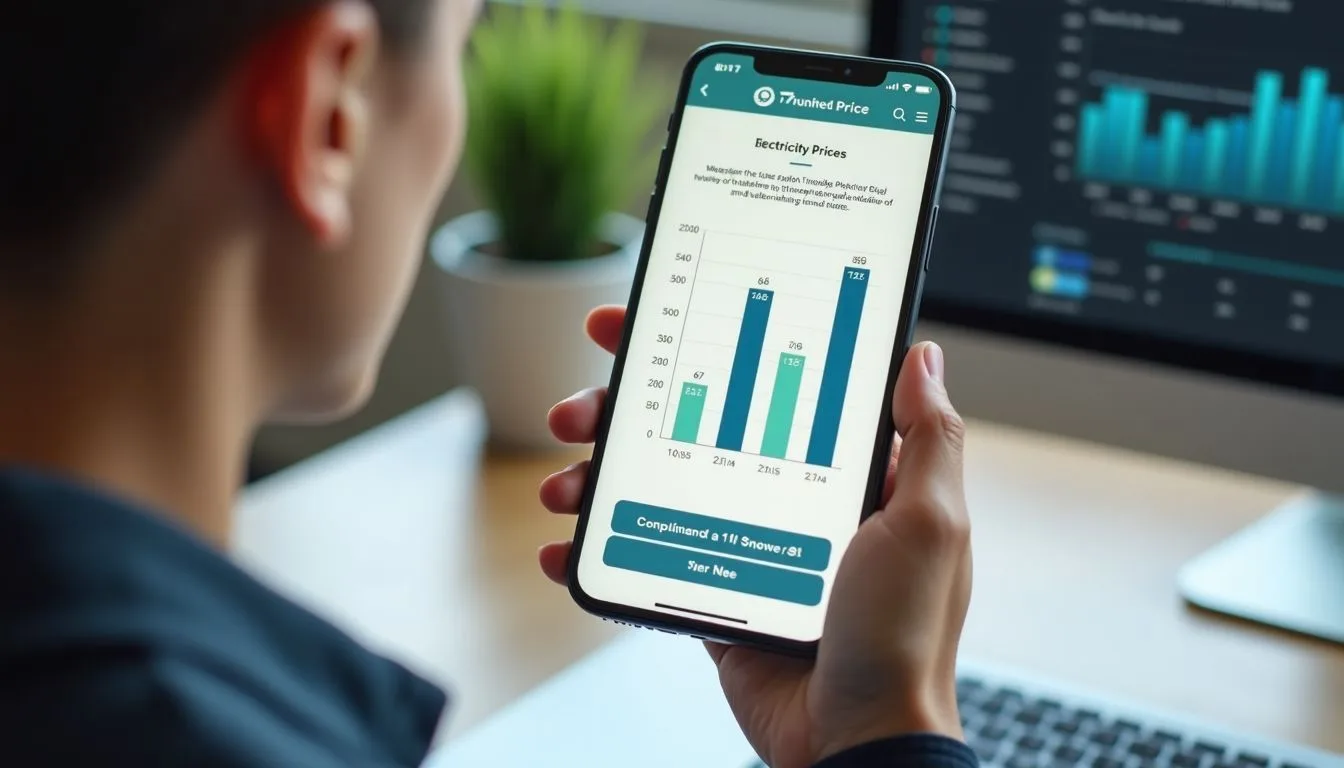
To figure out how well you’re doing with your utility bills, start by using online tools. These websites let you see different charges from many companies by just typing in your zip code.
They compare things like electricity and gas costs so you can pick the best deal.
Next, look at how much energy you use and when you use it. This way, you find patterns—like if turning on the air conditioner at certain times makes your bill shoot up. Tools like mobile apps or even just looking over past bills help spot these trends.
For instance, sites like electricityrates.com give insights into changing price trends for power. They offer bar charts showing how prices go up or down over time. Also, some companies send texts or emails about peak pricing times through services like Opower—helping users decide when to use less power to save money.
By understanding both the rates available and how your habits impact costs, comparing utility bills becomes a smart move for saving cash.
Utilize online comparison tools

Online comparison tools are my go-to for checking utility bills. They make life easier by letting me see electricity rates and gas rates in one place. I just type in my zip code on sites like electricityrates.com, and it shows me a bunch of electricity providers in my area.
These tools help me find out which companies offer lower rates or better deals.
I also look at energy rate trends to guess if prices might go up or down. This way, I can choose the right time to switch providers or plans. It’s about staying ahead and saving money where I can.
Using online tools to compare utilities means more savings with less hassle.
Analyze usage patterns and rates
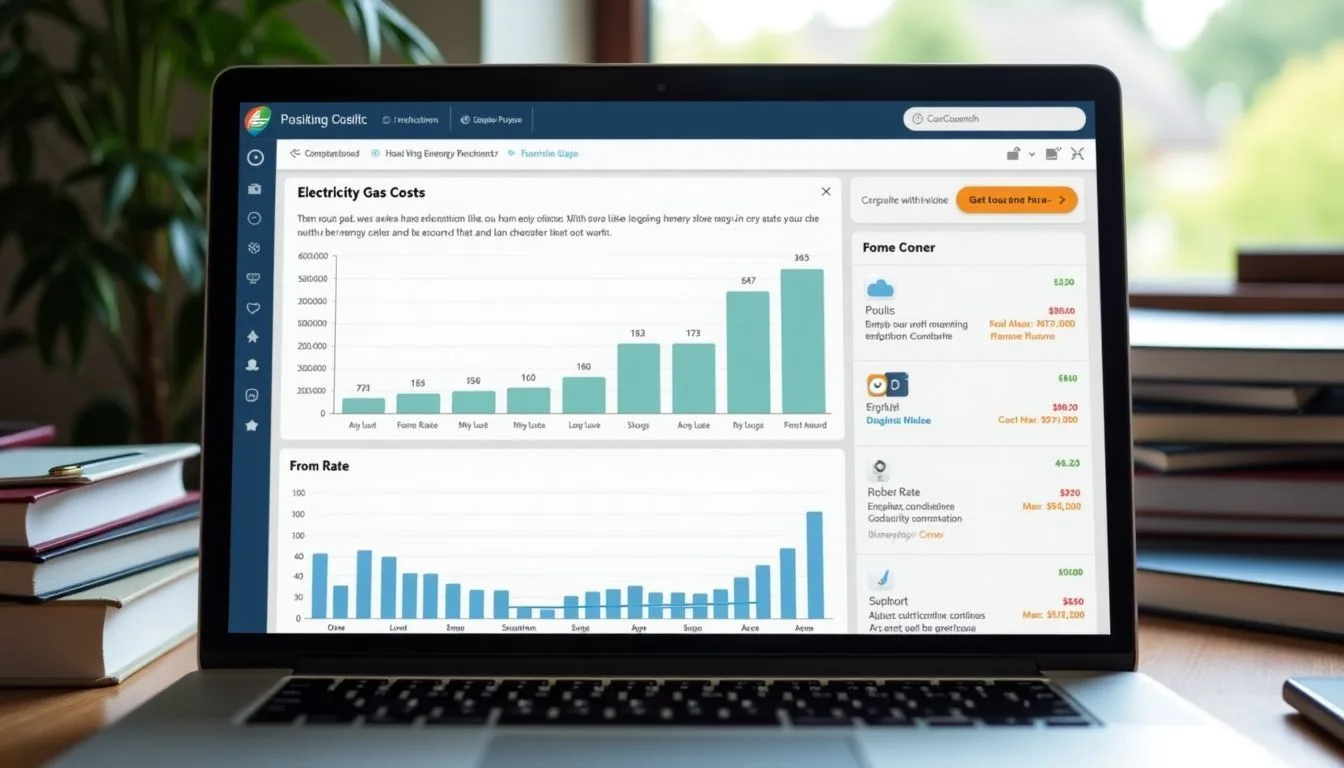
I look at how much electricity and gas I use and what it costs. This helps me see where I can cut down. A tool that compares rates shows me different prices from companies in my zip code.
It’s easy to see who offers lower rates for the same service.
Next, I check energy rate trends and how weather affects my bills—like more AC in summer or heating when it’s colder. Some companies have flat fees, while others change their prices during high-use times or offer rebates for saving energy.
By understanding this, I pick better deals and save money on my utilities each month.
Tips to Save More on Utility Bills

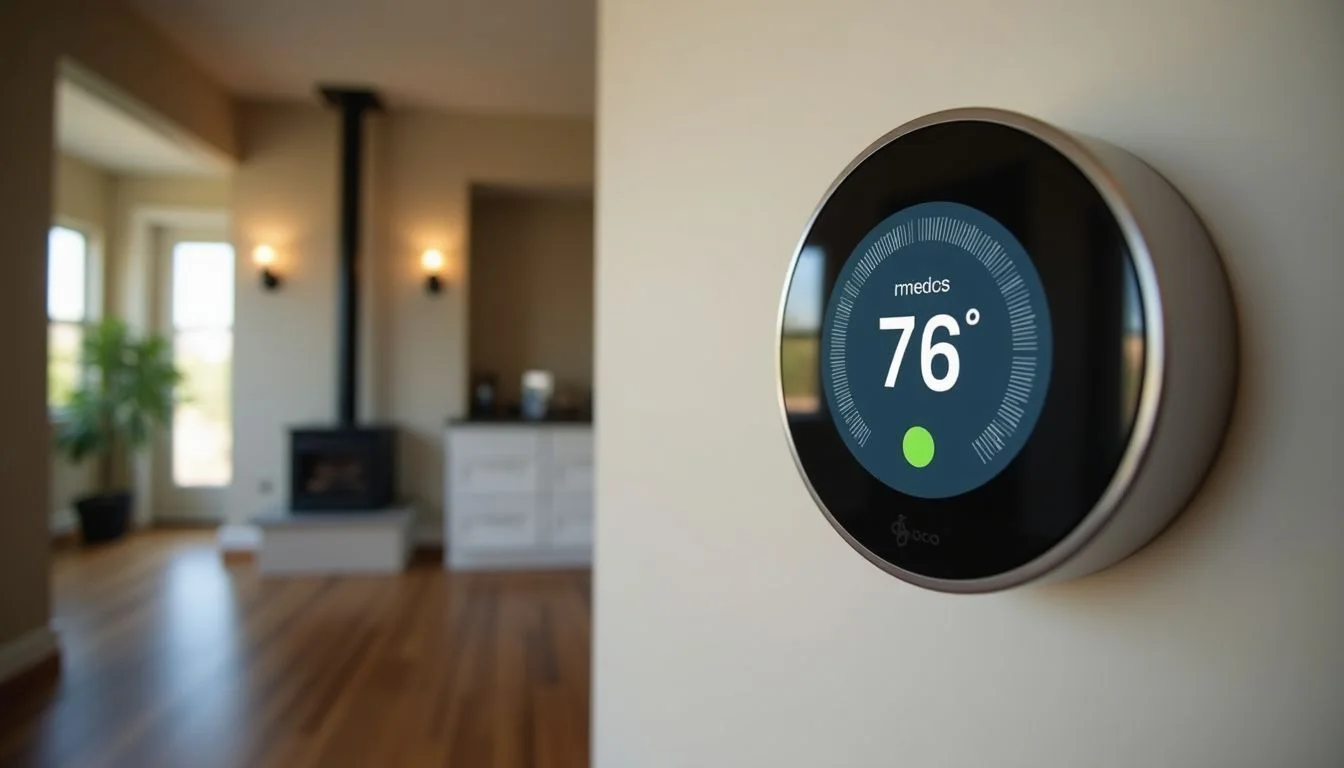
To decrease utility charges, examine your house’s energy consumption. Minor modifications can effect a significant difference. Switch to LED bulbs and eliminate any air leaks around doors and windows, for instance. These measures decrease power and gas usage, reducing expenses monthly.
Furthermore, engage with your electricity and natural gas providers about possible reductions or plans suited to your energy usage patterns.
Certain platforms assist in locating more favorable deals by contrasting the billing rates of various providers based on your residential zip code. Sites such as electricityrates.com display rates from a multitude of providers in a consolidated view.
They also elucidate terminology like “cooling degree days” and “critical peak pricing.” This data aids in choosing the most suitable plan for your requirements.
Ensure to inspect your appliances as well—utilizing more energy-efficient appliances or adjusting their settings can lessen their energy requirements. Slight modifications to heating systems or air conditioners can cumulatively influence over time.
Lastly, keep updated on the newest approaches to conserve energy at home by studying about latest trends or innovative technology that minimizes consumption without.
Implement energy efficiency measures

Inspecting my monthly expenditures, I notice that a significant portion goes towards utility bills. Hence, I concentrate on energy efficiency as a method to reduce expenses. This implies consuming less power while maintaining the same level of comfort.
For instance, I transition to LED bulbs as they are more energy-efficient than older types of bulbs. I also monitor my daily gas and water consumption.
Next, I evaluate various providers’ charges on the internet. Websites such as electricityrates.com assist me in determining the most affordable options in my zip code for both natural gas and electricity.
Being aware of my monthly consumption aids me in selecting a service that fits my requirements without wasting resources or money.
In the long run, these small steps can have a significant impact—such as correcting leaks or adjusting the thermostat to the appropriate temperature based on the season. It’s fulfilling to know that these tiny modifications decrease bills and contribute to environmental conservation with each smart energy decision.
Negotiate better rates with providers
After making homes more energy efficient, the next step is talking to utility companies about better rates. Found out usage patterns and did some homework. Looked at electricityrates.com and used their tools to compare electricity rates in my zip code.
It showed different power companies and what they charge.
Called up my current provider with this info in hand. Told them about the cheaper rates I saw online. They listened because they didn’t want to lose me as a customer. We talked about how much power I use and when I use it most.
In the end, they offered a deal that matched one of the lower prices I found. This goes to show that knowing what other companies offer gives you a strong position to get a better rate from your current company.
Conclusion


I learned comparing bills shows ways to save money. Using websites makes this easy. Being smart with energy cuts costs too. Reading details helps avoid surprises later. Everyone should try this for better savings.