Saving money can be tough. I’ve struggled with it too. But I found out that saving is something you can get better at over time.
I discovered some effective strategies to improve my savings skills. Setting clear savings goals helped a lot, like planning for an emergency fund or reducing credit card debt. Also, cutting unnecessary costs, such as unused subscriptions, made a difference.
Another simple step was directing my paycheck into a high-interest savings account automatically; this approach grew my savings without extra effort on my part.
If you want to increase your savings, these tips might work for you too!
Key Takeaways
- Create a budget and set savings goals for things like emergency funds to manage money better.
- Cancel subscriptions you don’t use and wait 30 days before buying non-essentials to spend less.
- Put money in high-yield savings accounts or invest in CDs to grow savings with little effort.
- Eat meals at home and choose affordable activities to reduce monthly expenses.
- Set up automatic transfers from your paycheck to your savings account for effortless saving.
Creating a Strong Savings Plan


I set clear savings goals and use automatic transfers from my checking account to my savings account to save money without thinking about it. This helps my money grow before I can spend it.
Develop a budget and establish savings goals
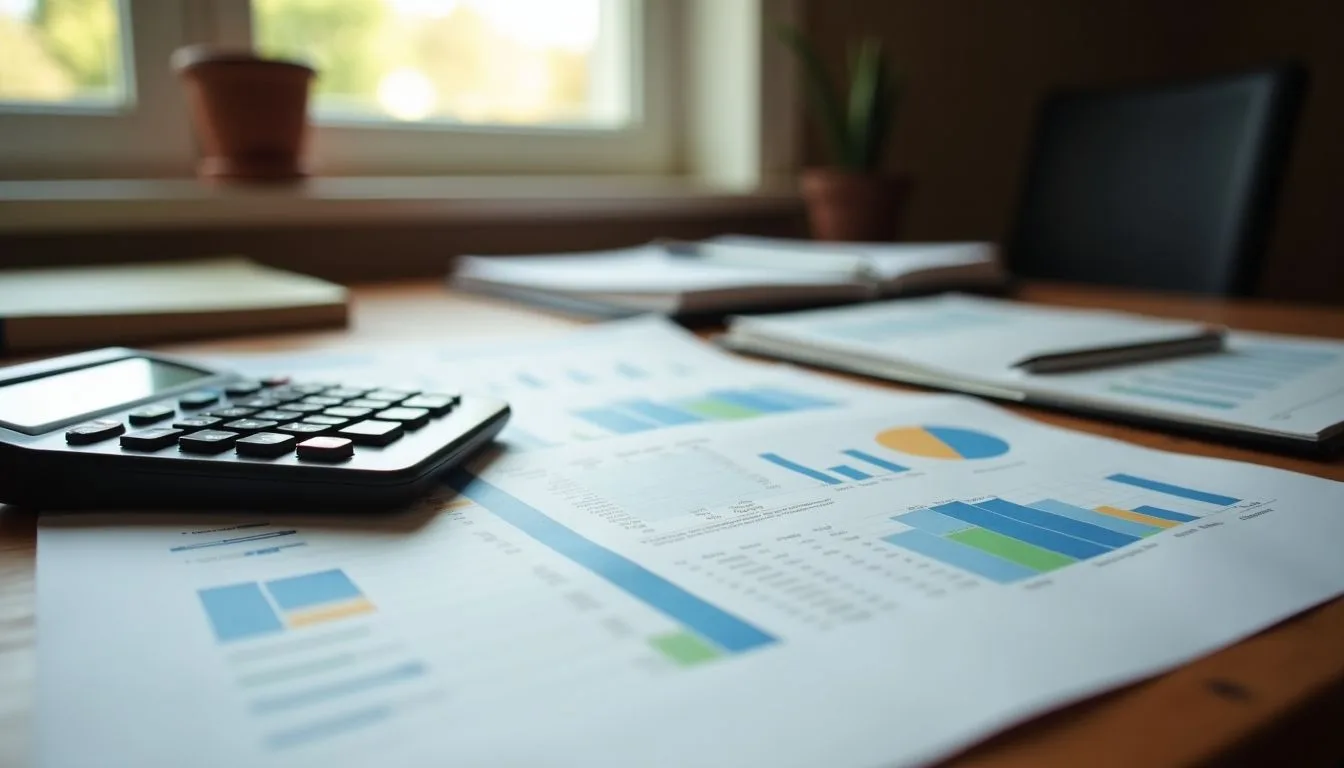
Making a budget is my first step in managing money. I track what I earn and plan my spending. This includes dividing money for needs, wants, and savings. Setting clear savings goals, like for an emergency fund or big purchases, helps me save more effectively.
I use a savings calculator to project how my savings will grow. Tracking progress lets me adjust if necessary. If I spend less on other things, I can add the extra money to my savings.
Watching every dollar keeps saving as a regular part of my routine.
Set up automatic savings account transfers

I set up automatic transfers to my savings account. My bank moves part of my paycheck to savings on a regular schedule. This helps me save money without thinking about it. Automatically, I see my emergency fund increase every payday.
Cutting down on unnecessary expenses also helps grow my savings faster.
Cutting Down on Unnecessary Expenses


I cut spending by dropping unused gym memberships and streaming services. Also, I wait 30 days before buying non-essential items to see if they’re truly necessary.
Eliminate unused subscriptions and recurring fees
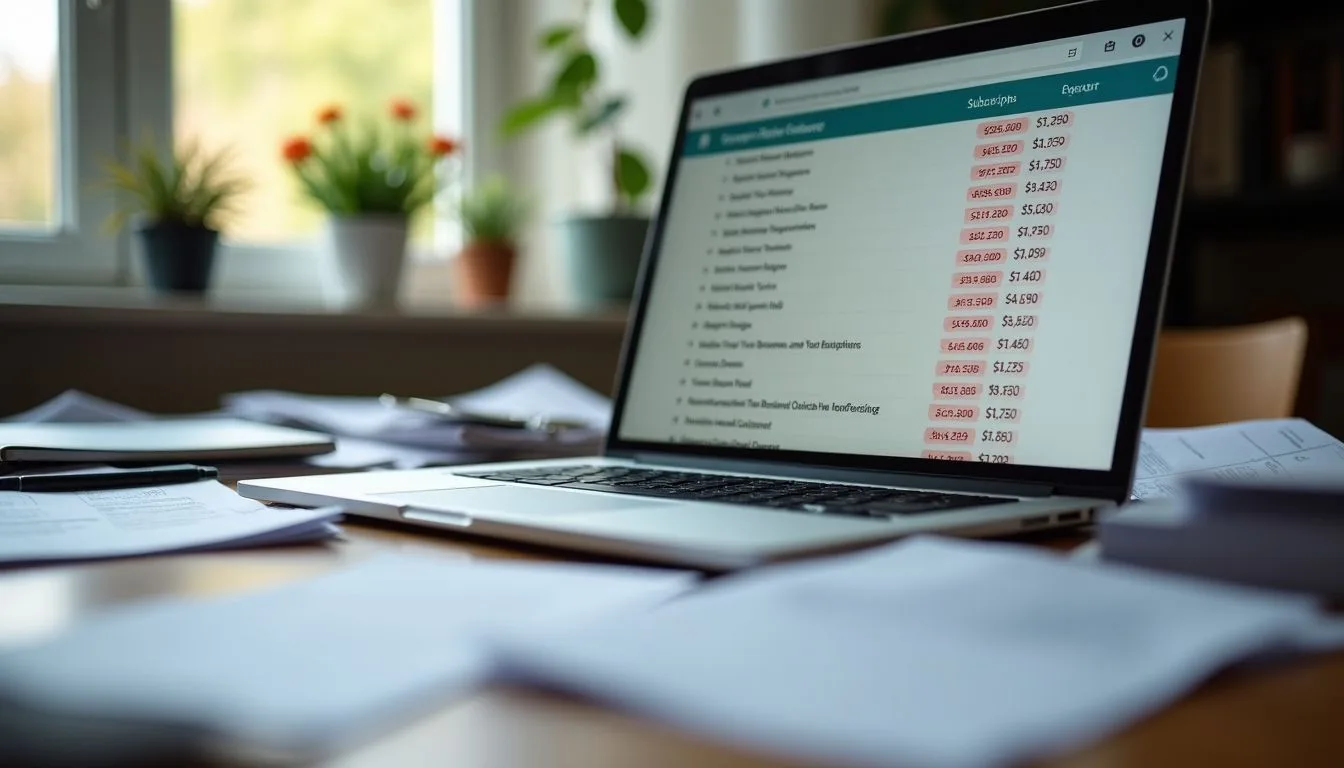
Reducing expenses entails curbing unnecessary costs. A significant factor to consider is unsubscribing from services and avoiding costs that are no longer useful.
- Examining my monthly bank statements consistently gives insight into where my money is spent.
- Terminate streaming services that weren’t used in the previous month as multiple subscriptions may lead to excess.
- Stop any magazine or service subscriptions that no longer entice me to prevent forgotten costs.
- Deploying subscription tracking apps assists in finding and stopping unwanted services with ease.
- Bargaining with my internet and phone provider for improved rates or removing unnecessary options leads to savings.
- Discontinue memberships, such as gym or club subscriptions, that I scarcely use to reduce monthly costs.
- Review my credit report at no cost annually to ensure no unexpected items are influencing my financial state.
- Opt for low-cost activities like hiking instead of cinema visits to decrease entertainment costs.
- Preparing meals at home as opposed to dining out or ordering food considerably diminishes food expenses.
- Configure a direct deposit to save a chunk of my paycheck automatically promoting effortless saving.
Embracing these methods simplifies cutting down on monthly expenses for nonessential items. This strategy permits me to direct more resources to relevant financial objectives, such as establishing an emergency fund or hastening debt repayment.
Apply the 30-day spending rule for mindful purchases

I use the 30-day spending rule to help with saving money. This means I wait 30 days before buying non-essential items. Often, this waiting period helps me realize I don’t need the item.
It cuts down on unnecessary expenditures and helps meet savings goals.
This strategy also improves my spending awareness. By delaying purchases during online shopping, I focus on needs rather than wants. As a result, I save more by not spending on things that don’t offer long-term value.
This approach is effective for managing finances and building better spending habits.
Enhancing Your Savings Growth


To boost my savings, I choose banks with high interest rates for savings accounts and invest in CDs and mutual funds. This strategy helps grow my money safely.
Explore high-yield savings options and safe investments

I put my money in high-yield savings accounts because they offer higher interest rates. This helps my savings grow faster without extra effort. I also look into certificates of deposit for their safety and higher interest over time.
Cutting down on unnecessary expenses boosts my ability to save more. Banks and credit unions have these high-yield options available.
Conclusion


I made a plan to save money. I set up direct deposit into a high-yield account because it makes saving simpler. Cutting small expenses, like extra coffee or unused gym memberships, really saves money over time.
Using savings calculators and meal planning apps helps me track my spending and save.
Taking simple steps can greatly increase my savings. For example, using cash-back offers and credit card rewards can add to my savings easily. Also, looking for sales, using coupons, and reducing energy use at home help stretch my dollars.
These strategies are practical ways not just to spend less but also to increase what I’ve already saved. Putting money in high-interest accounts is great for emergency funds or holding onto tax refunds—each action toward saving brings me closer to financial security.
Do I have subscriptions I don’t use? Canceling them could mean more money in my bank account every month.